
In the last few years, the men’s fashion market has gone through a major evolution. However, hoodies have continued to be a strong staple across every age group. This year, you can see the focus shifting from flashy designs to refined, more premium branding approaches. These days, customers are looking for better fabric quality, subtle aesthetics and a more polished streetwear appeal.
As a private label seller, you can sense a wonderful opportunity in this change. You can strengthen your brand identity and stand apart in a competitive marketplace. Find out how private label sellers are elevating branding in men’s hoodies in 2026 and what you should evaluate before finalizing partnerships with manufacturers out there.
Not so long ago, hoodie designs were dominated by large logos. These days, customers prefer understated branding. They are looking for a cleaner, more premium appearance with:
Private label sellers are adopting this minimalist approach. It gives a timeless appeal to their products and makes their brand stand out with a sophisticated feel.
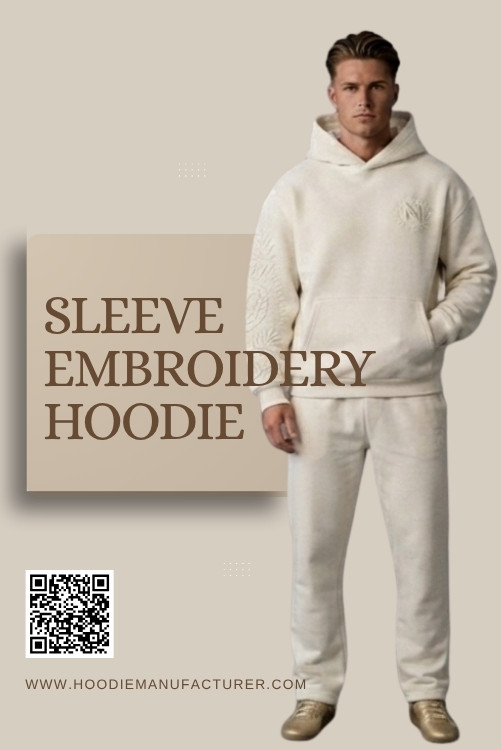
Before order placement, you should check whether your preferred manufacturer can deliver items with fine detailing and a consistent approach. This is particularly true for small-scale embroidery.
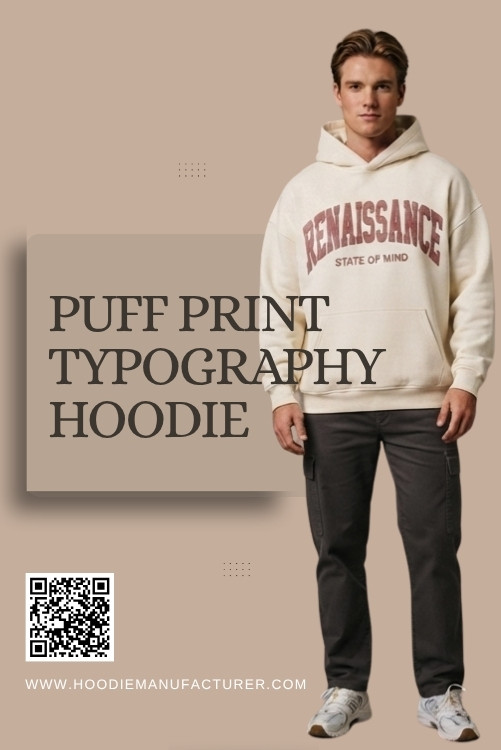
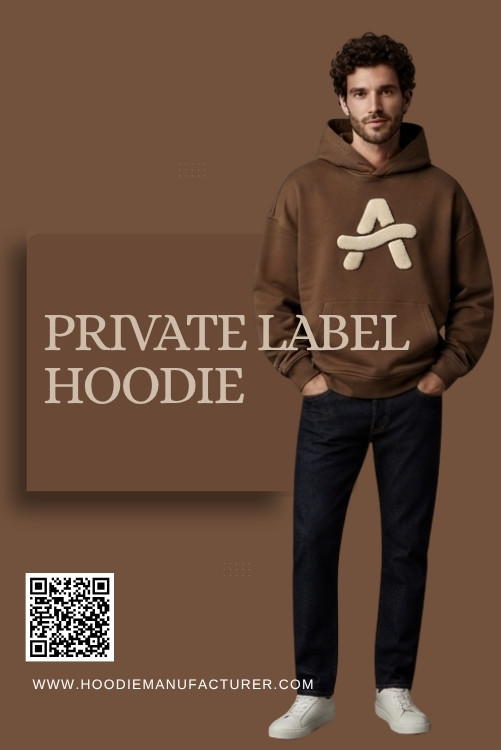
In 2026, puff print has become a major branding trend among private label brands. This textured printing technique lends a raised effect to logos and typography. This makes even simple branding elements feel distinctive and luxurious.
As a private label brand owner, you must create a unique, tactile experience without overwhelming the overall design of the garments. You should also make proper assessment of:
Take a closer look at the supplies that you obtain from your manufacturer of choice. Poor puff print execution can damage your brand reputation fast.
Keep in mind that branding is no longer only visual; it is also about the feel of the product. These days, consumers directly associate comfort, thickness and softness of fabric with the overall value of a brand.
Private label sellers are choosing:
The aim is to position their hoodies in premium categories. Before production starts, you should consider factors such as fabric GSM, shrinkage rates and pilling resistance. Look for hoodies that can maintain their structure even after being washed repeatedly.
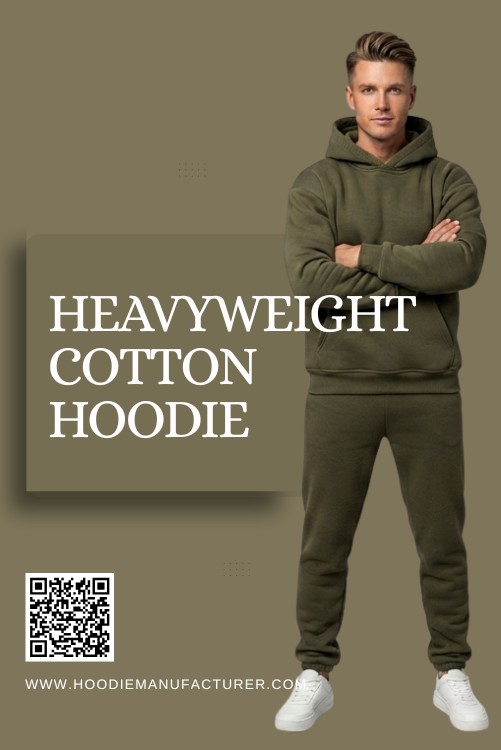
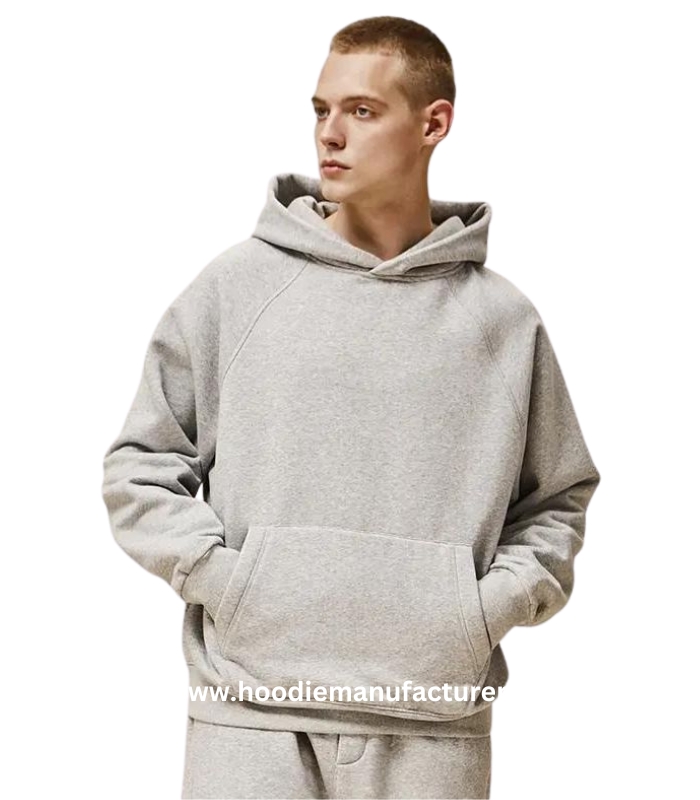
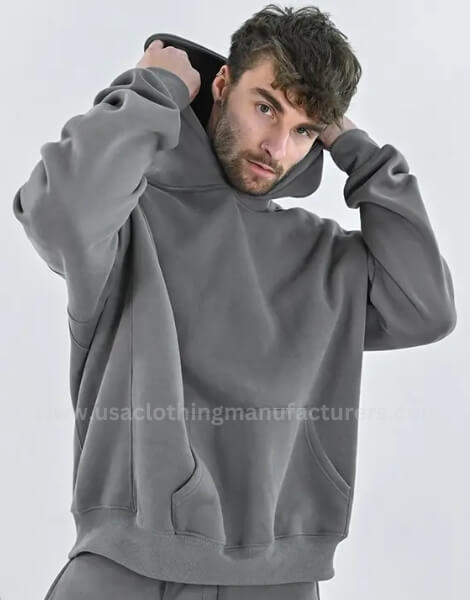
Brands are differentiating their offerings with fits these days. You can still see people going for relaxed, oversized and boxy fits. However, precision matters a lot.
Many private label sellers are increasingly creating signature fits that customers can recognize immediately. When they offer unique fits, they can expect a much higher level of customer loyalty. When shoppers understand that a brand can offer them something different, they are likely to stay more loyal, obviously.
However, manufacturers need to be able to develop accurate patterns and offer items of consistent sizes, even across bulk orders.
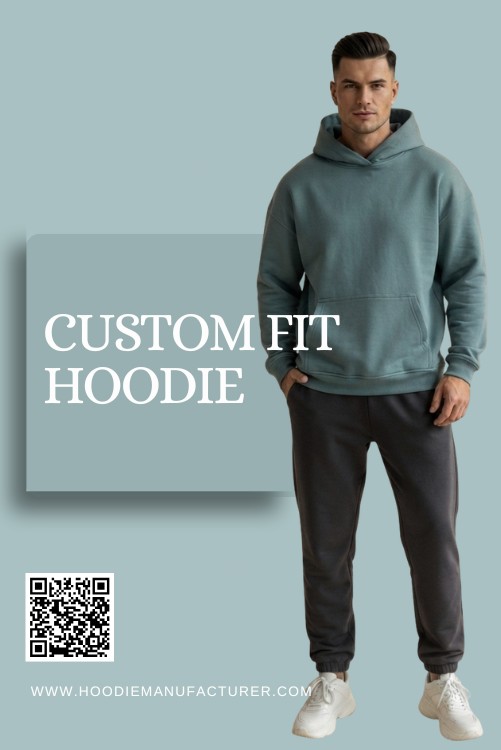
Private label owners can easily boost the perceived value of hoodies with small finishing touches. They can make their items look premium with:
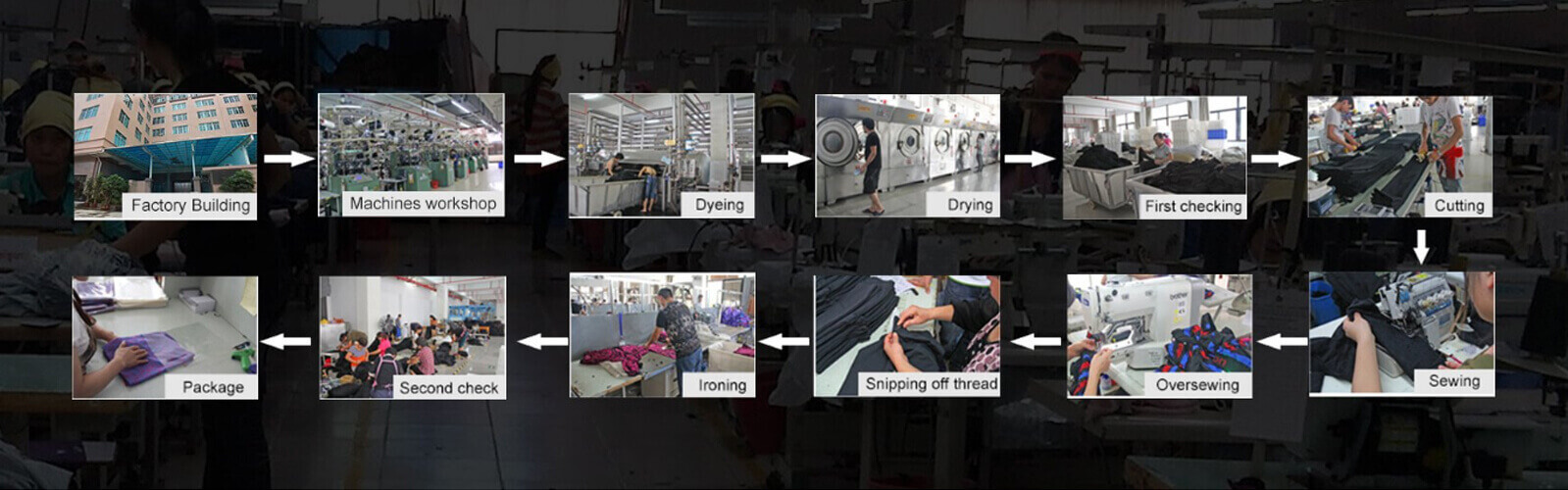
Details like these can make a brand feel exclusive. Before you place orders, you need to check samples closely. Assess precision of finishing, neatness of stitching and of course, how durable the materials of construction are.
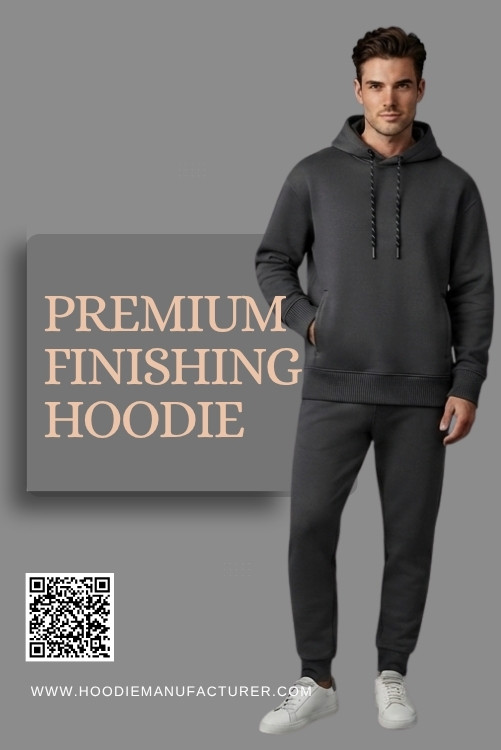
You can see branding trends evolving fast. However, you need to make some practical considerations. It is essential to inspect samples to check quality of the items.
Also look for flexible MOQs, so that you can test new collections easily. Lead times can impact launch schedules. Ensure that the rates are justifiable and allow good profit margins for your business.
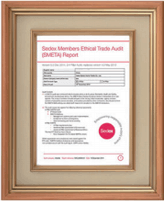
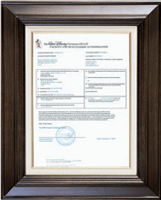
You also need to check:
It is essential to do this before finalizing partnerships.
As you can see, in 2026, men’s hoodies are not only about comfort anymore. You should also consider smart branding elements, to give your buyers a feel-good experience. In a competitive market, you can make the biggest difference even with the smallest branding details.